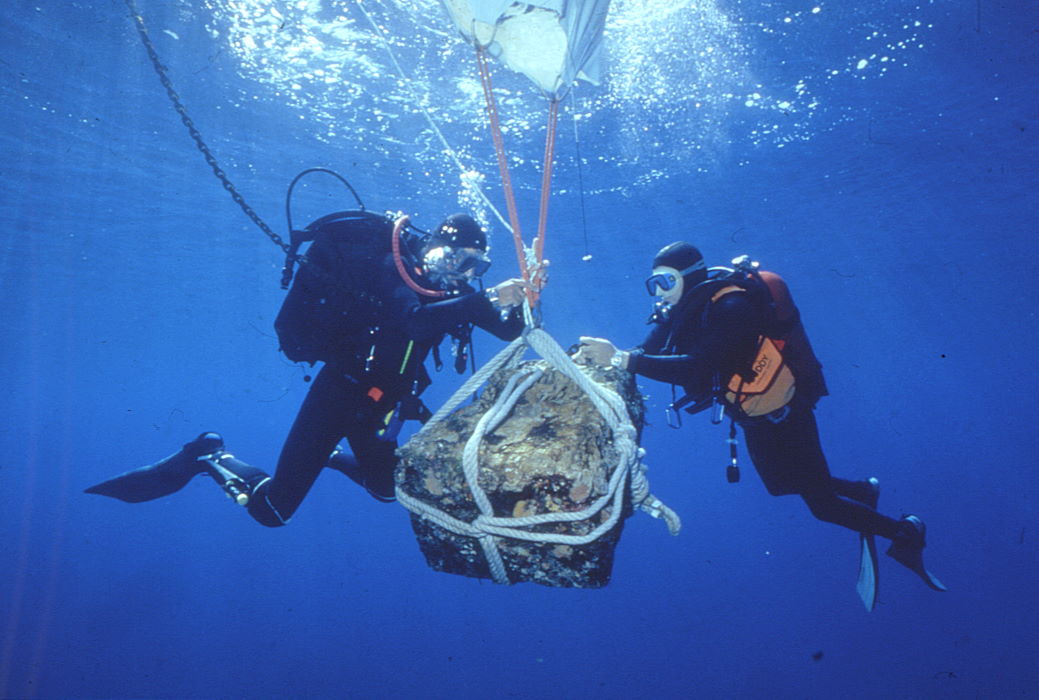
Photographic documentation and recovery of marble architectural members and capitals was carried out at ancient Pheia in Elis. The finds were transferred to the Archaeological Museum of Olympia in cooperation with the German Archaeological Institute of Athens.
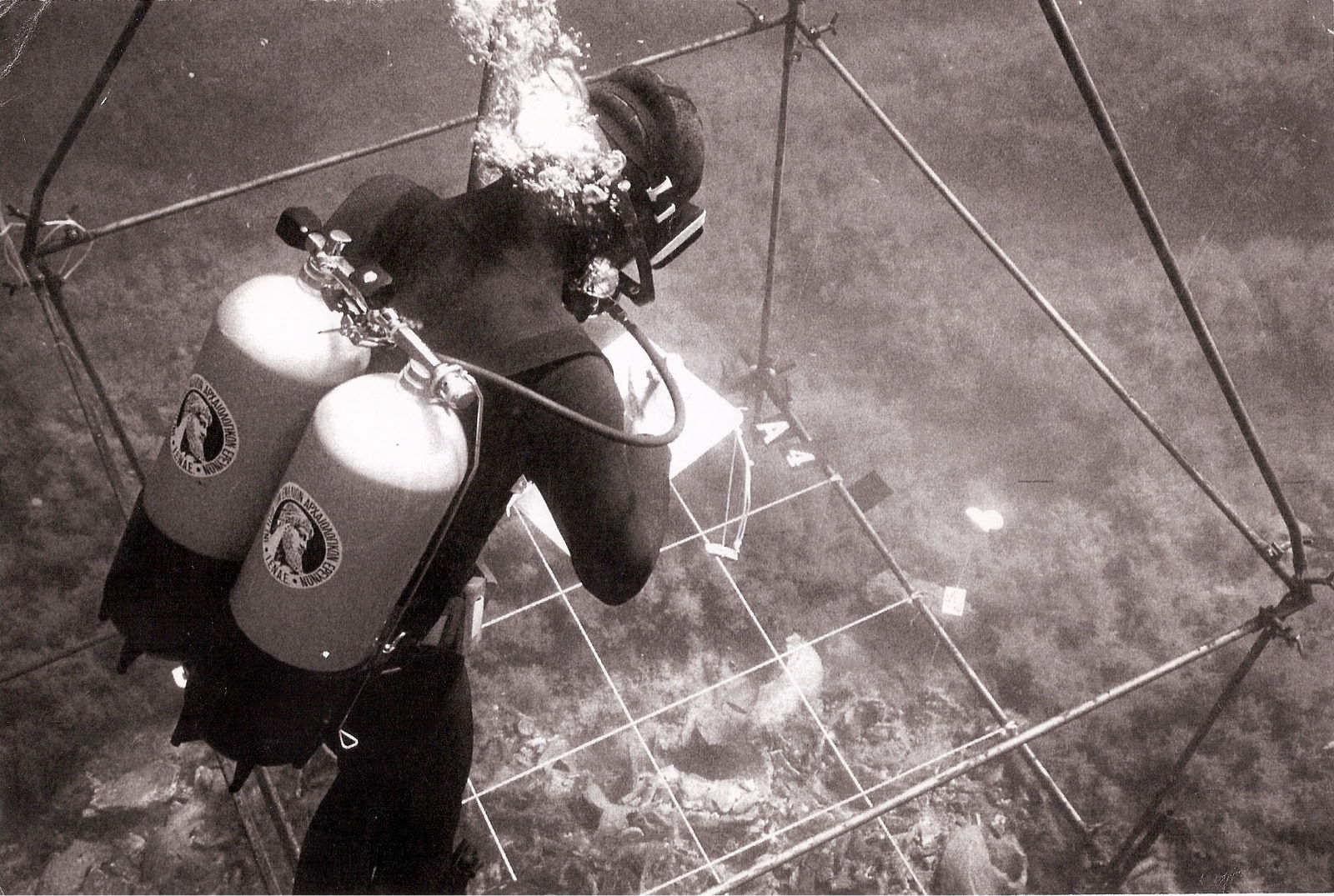
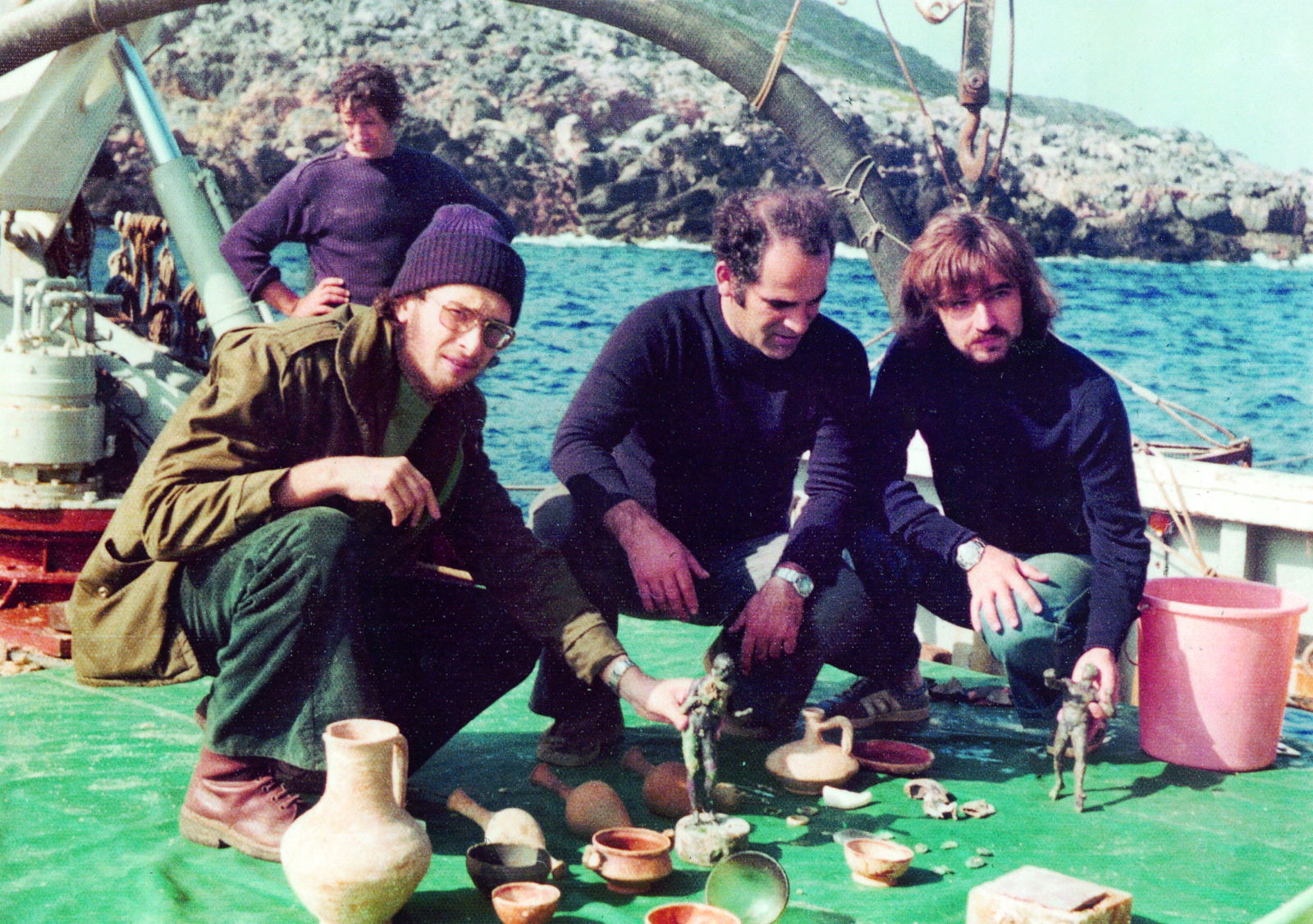
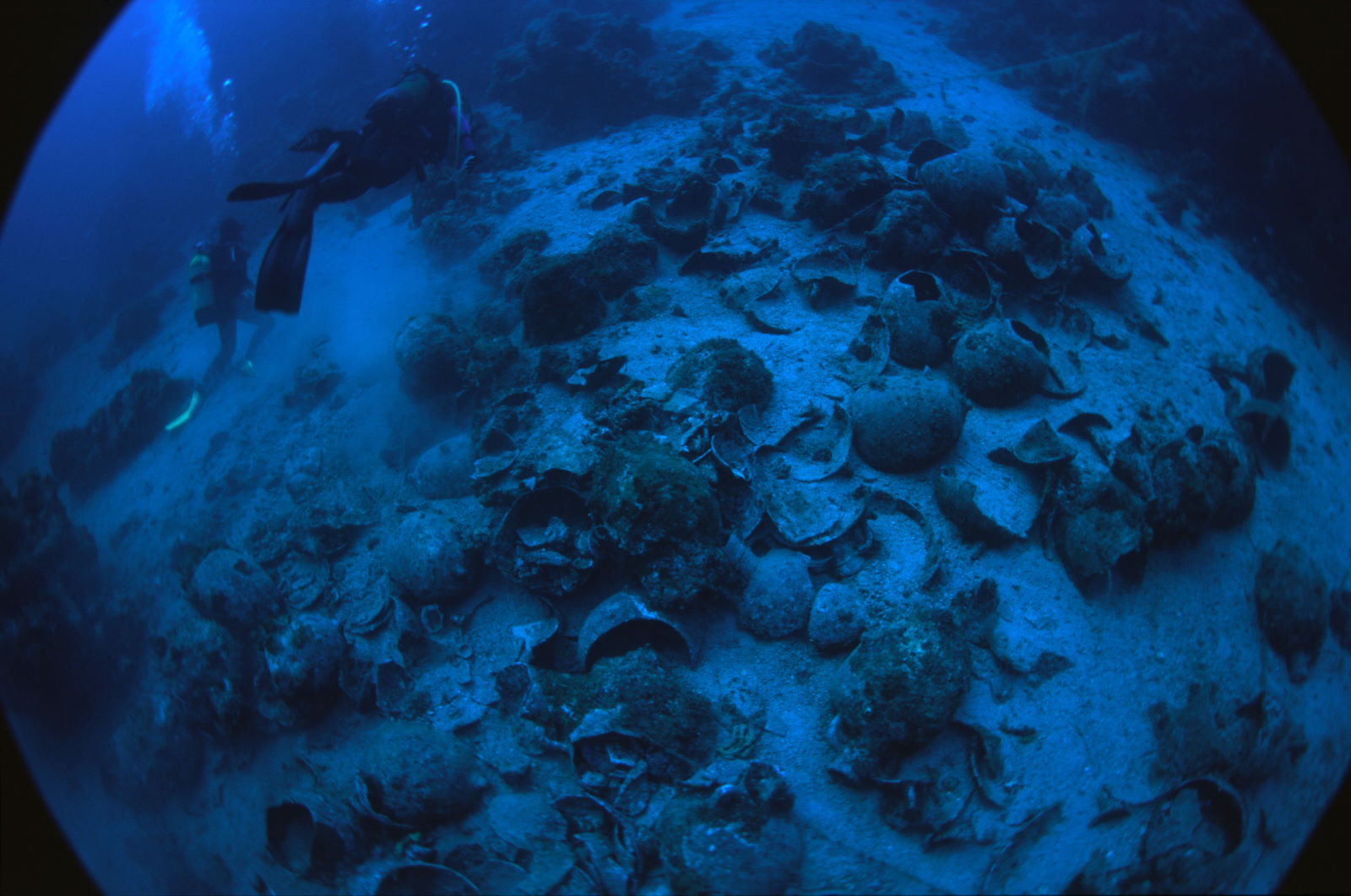
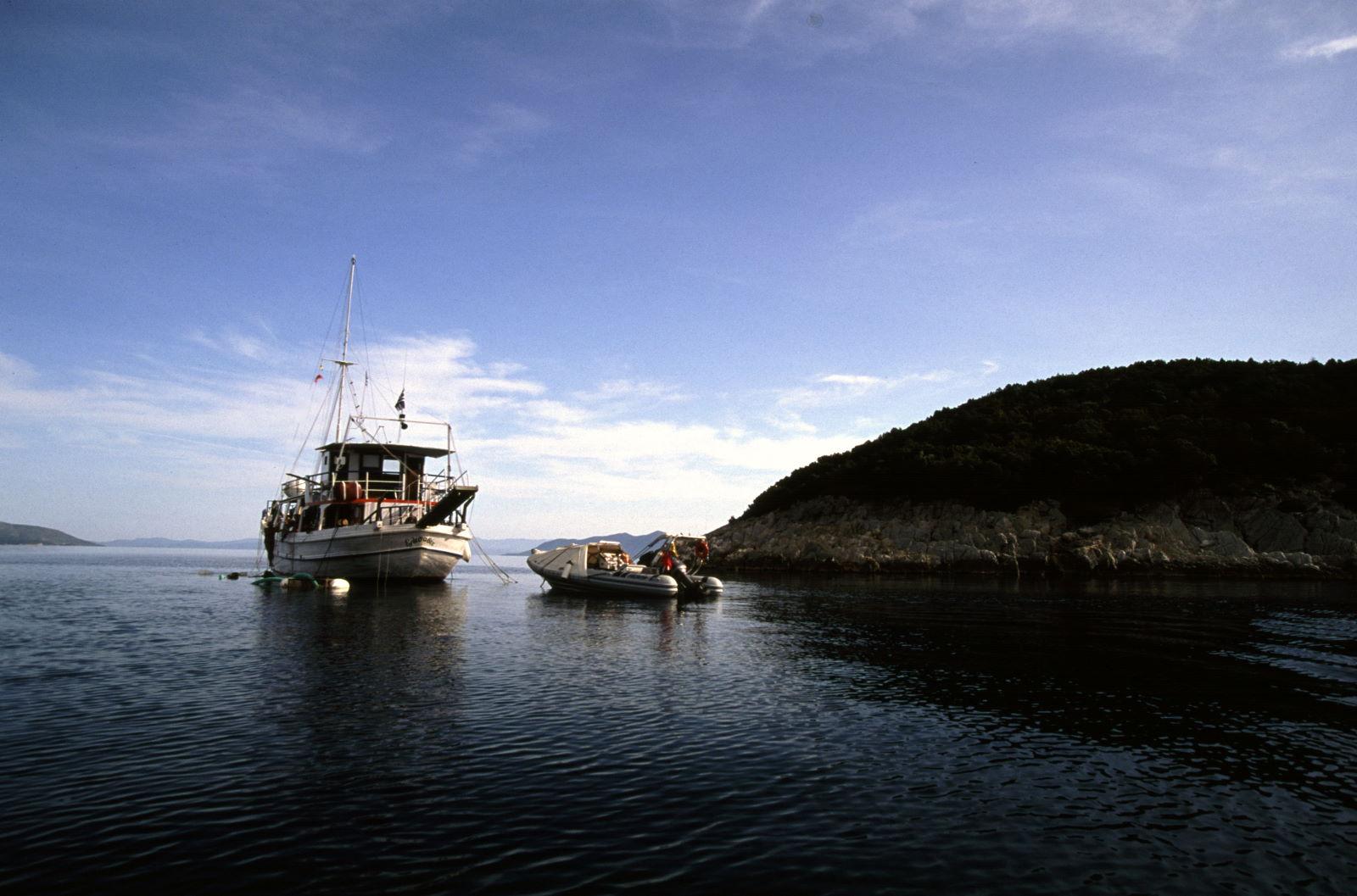
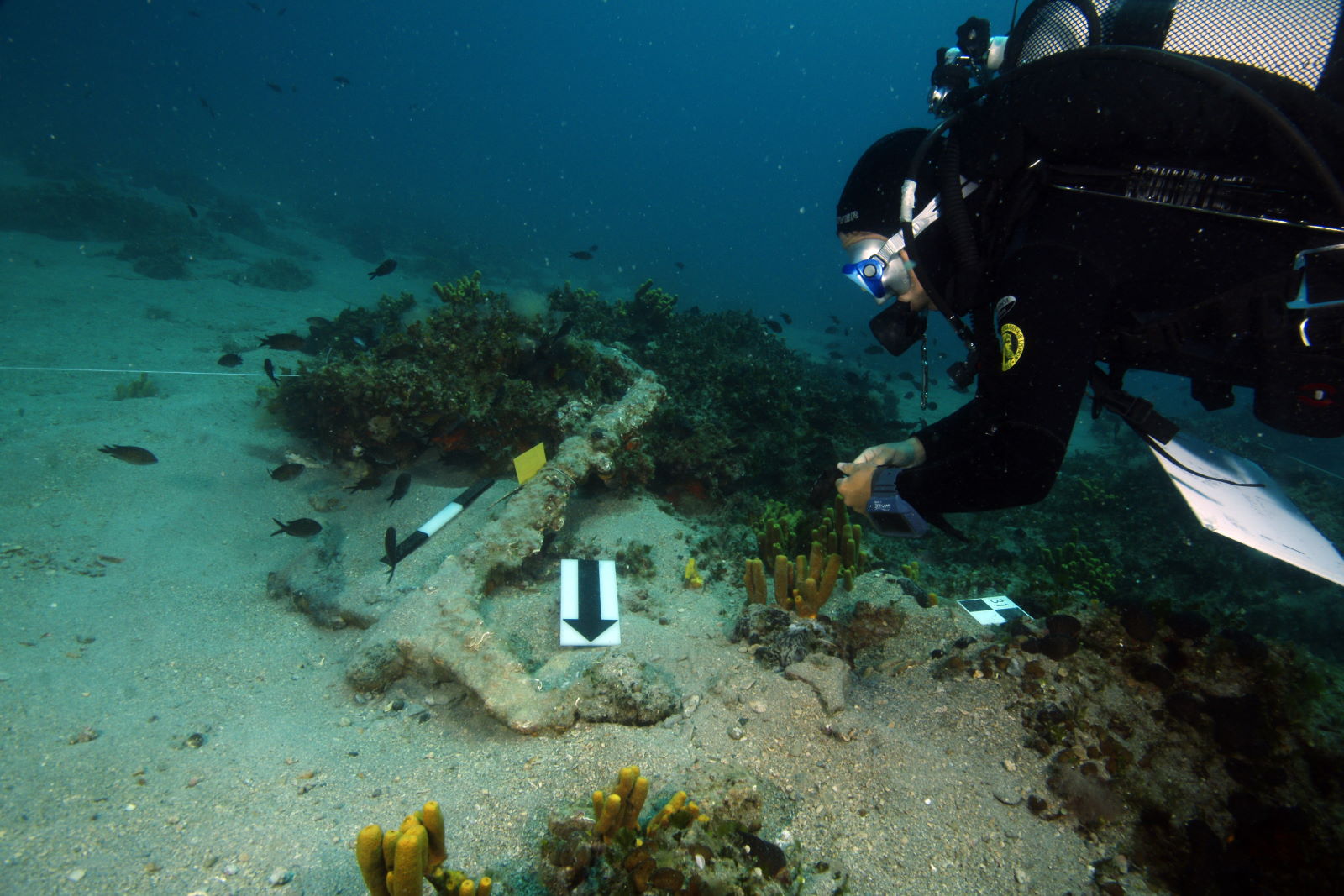
In the summer of 1975, the oldest known shipwreck in the world was discovered off the island of Dokos, dating to the 3rd millennium BC. Preliminary research was conducted in cooperation with the Archaeological Service in November of the same year. A reconnaissance survey was repeated in August 1977.
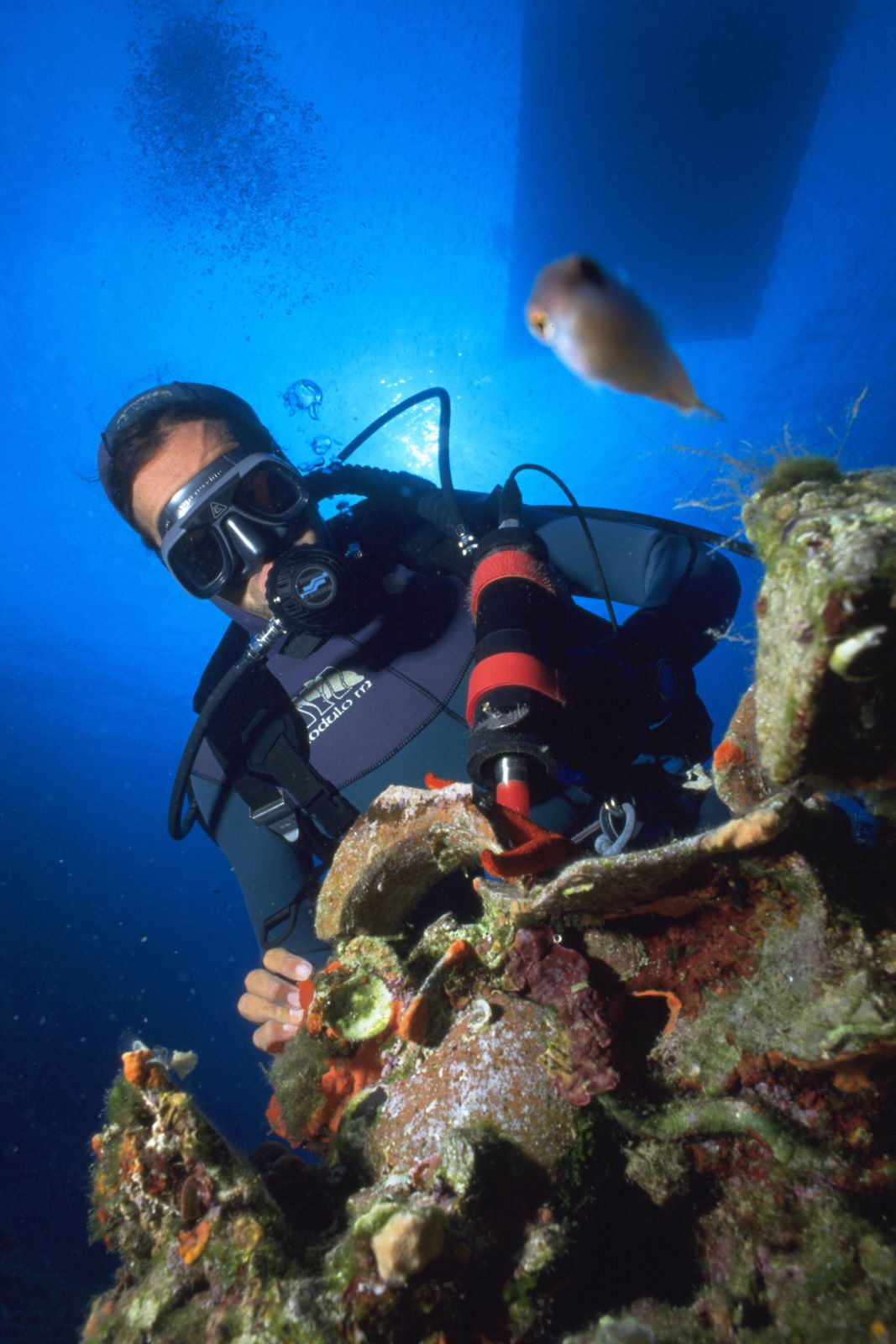
A large team from the Institute took part in Commander Cousteau’s research expeditions in Greece, gaining invaluable experience in the process. The following sites were investigated in cooperation with the Archaeological Service: Artemision (survey of the shipwreck area), Marathon, Santorini, Helike, Chalkidiki, Pylos (survey of the naval battle area), the Sporades, Milos, Heraklion (at the wreck of the La Thérèse), the islands of Dia and Pseira (Crete), Kavos Sidero, Agia Pelagia Bay (Crete), Kythera (at the wreck of the Mentor), Antikythera (survey of the shipwreck area), and Agios Nikolaos Bay off Kea (at the wreck of the Britannic).
A reconnaissance survey of an Early Roman period shipwreck was carried out at Limeni in the Mani.
An extensive reconnaissance survey of Late Roman and Early Byzantine shipwrecks was conducted on the island of Patroklos, at Gaidouronisi, and at Legraina.
In July, a reconnaissance survey was carried out of the Mentor, the ill-fated vessel chartered by Lord Elgin, which sank while transporting sculptures from the Parthenon and other Greek monuments. The Institute had been planning both the survey and a full excavation since 1974.
H.I.M.A. members Nikos Lianos and Phaedon Antonopoulos, working alongside American scientists Van T. Andel and Jon B. Jolly, conducted a geophysical survey using echo-sounding equipment across the area stretching from Hydra to Koilada in the Argolid.
During this period, H.I.M.A. collaborated with the Ephorate of Underwater Antiquities on a series of underwater surveys at Paros, Koilada, Plitra, and Diros.
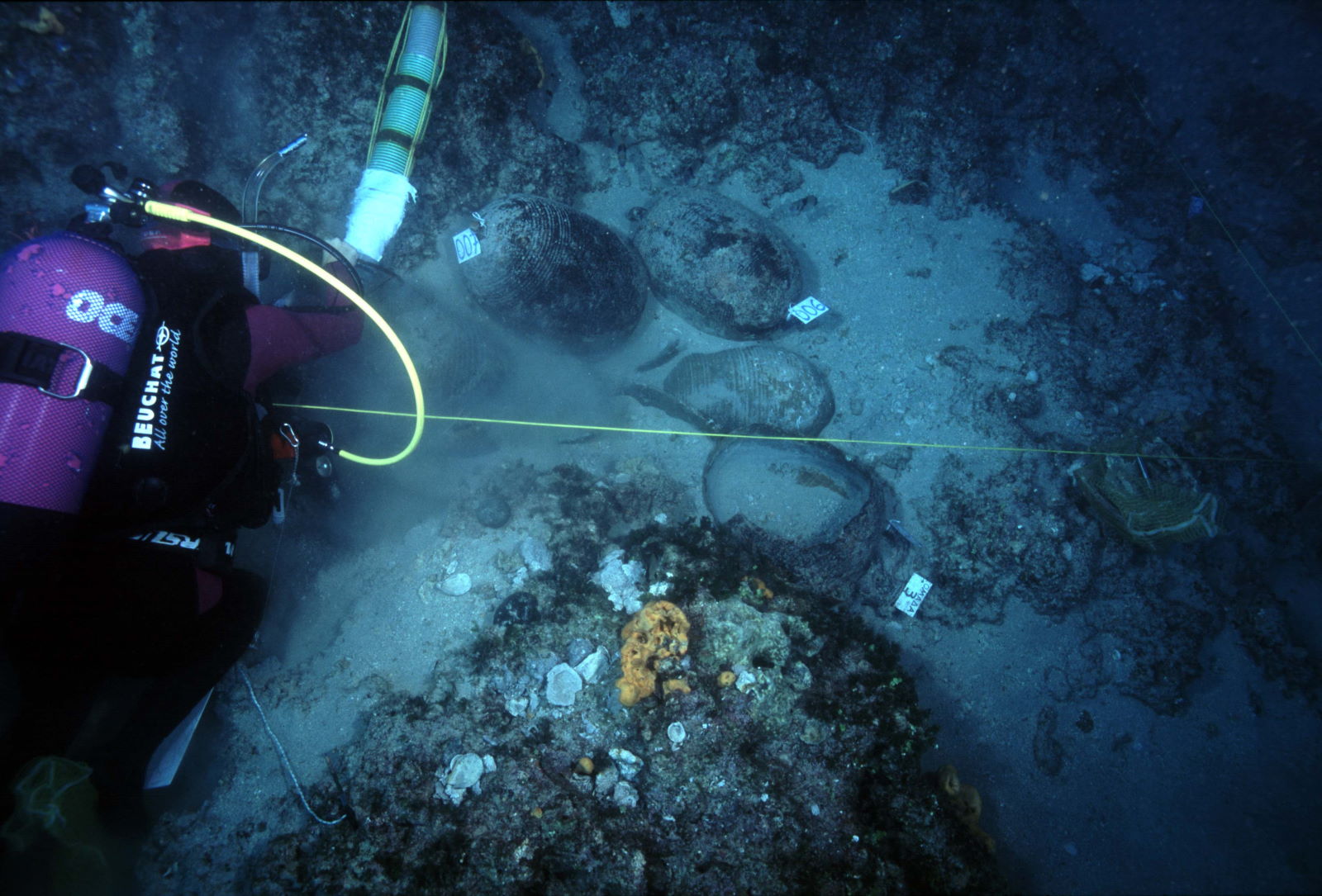
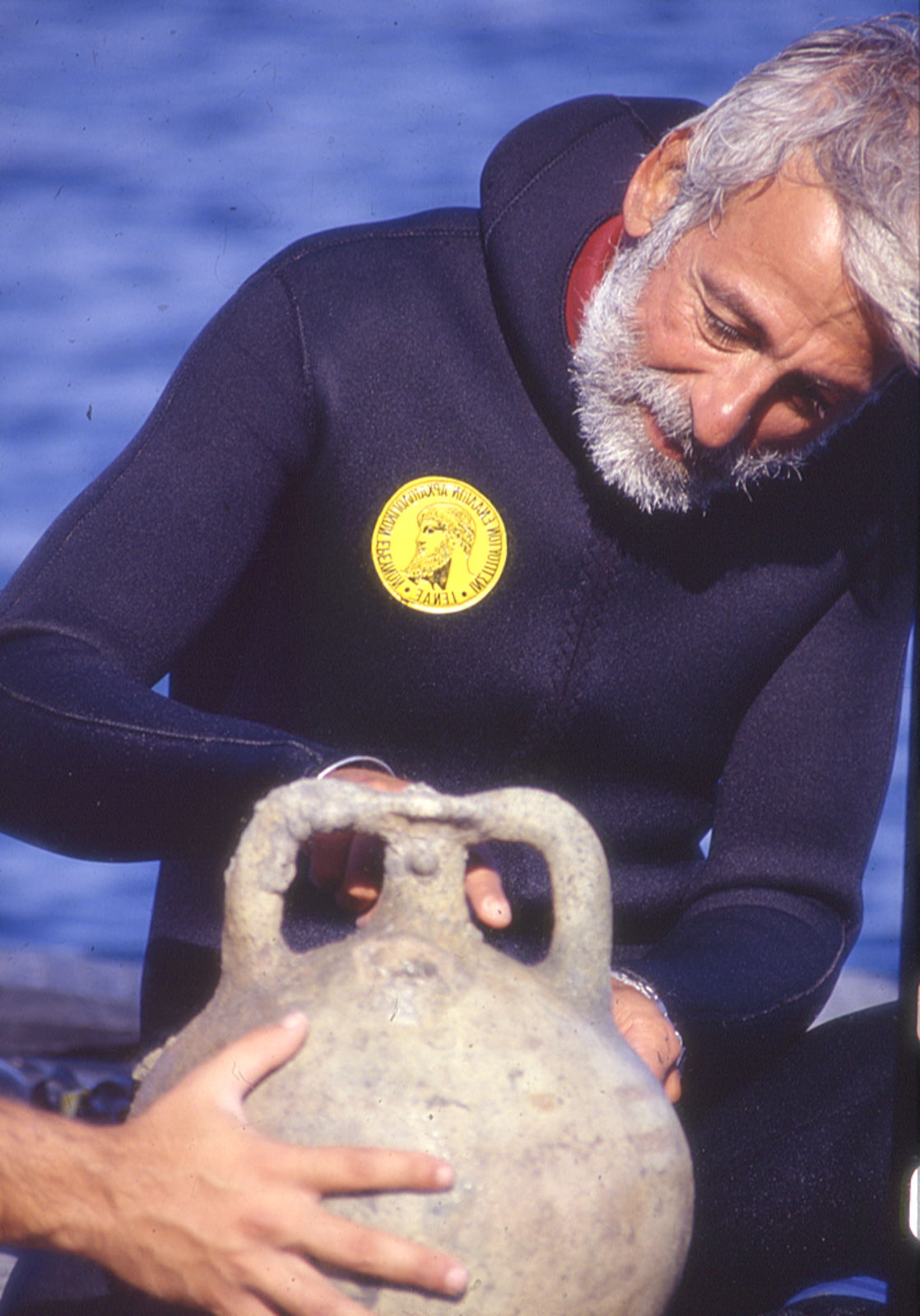
After a period of stagnation, the effort made in the mid-1980s for a new beginning resulted in the organization and execution of three major archaeological research projects: the oldest known shipwreck to date, dating to 2,200 BC, at Dokos (1989–92); the Cypro-Mycenaean shipwreck of 1,200 BC at Cape Iria in the Argolid (1991–94); and the 4th century BC shipwreck at Antidragoners, Kythera (1993–98, 2000).
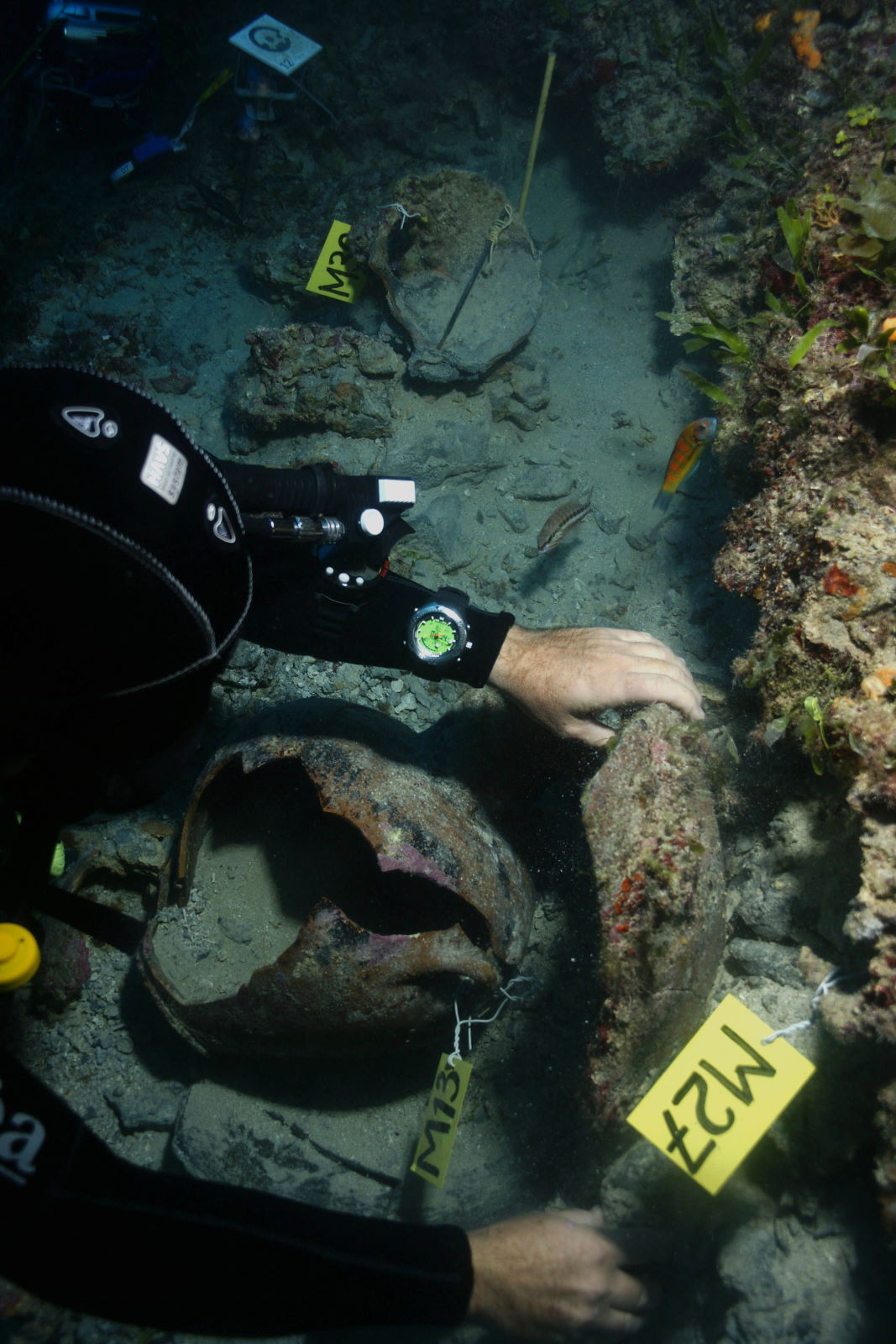
The new millennium marked the beginning of four systematic underwater archaeological projects in the Argolic Gulf, the Southern Pagasetic Gulf, the Southern Euboean Gulf (2006–2016) and at Salamis.
PHOTO GALLERY